What to Expect During an IVF Cycle
From stimulation to the two-week wait — a clear, week-by-week walkthrough of what actually happens during in-vitro fertilisation.
In-vitro fertilisation can feel overwhelming when you first hear the word, but a cycle is really a sequence of well-defined steps spread over about two to three weeks. Knowing what happens at each stage — and why — takes a great deal of the anxiety out of the process.
It usually begins with ovarian stimulation. Normally your body matures a single egg each month; in IVF we use daily hormone injections (FSH, often with LH) for around 9 to 12 days to encourage several follicles to grow together. During this phase you'll come in for monitoring — ultrasound scans and blood tests every few days — so we can track how your follicles are responding and adjust the dose. A separate medication is used to prevent premature ovulation.
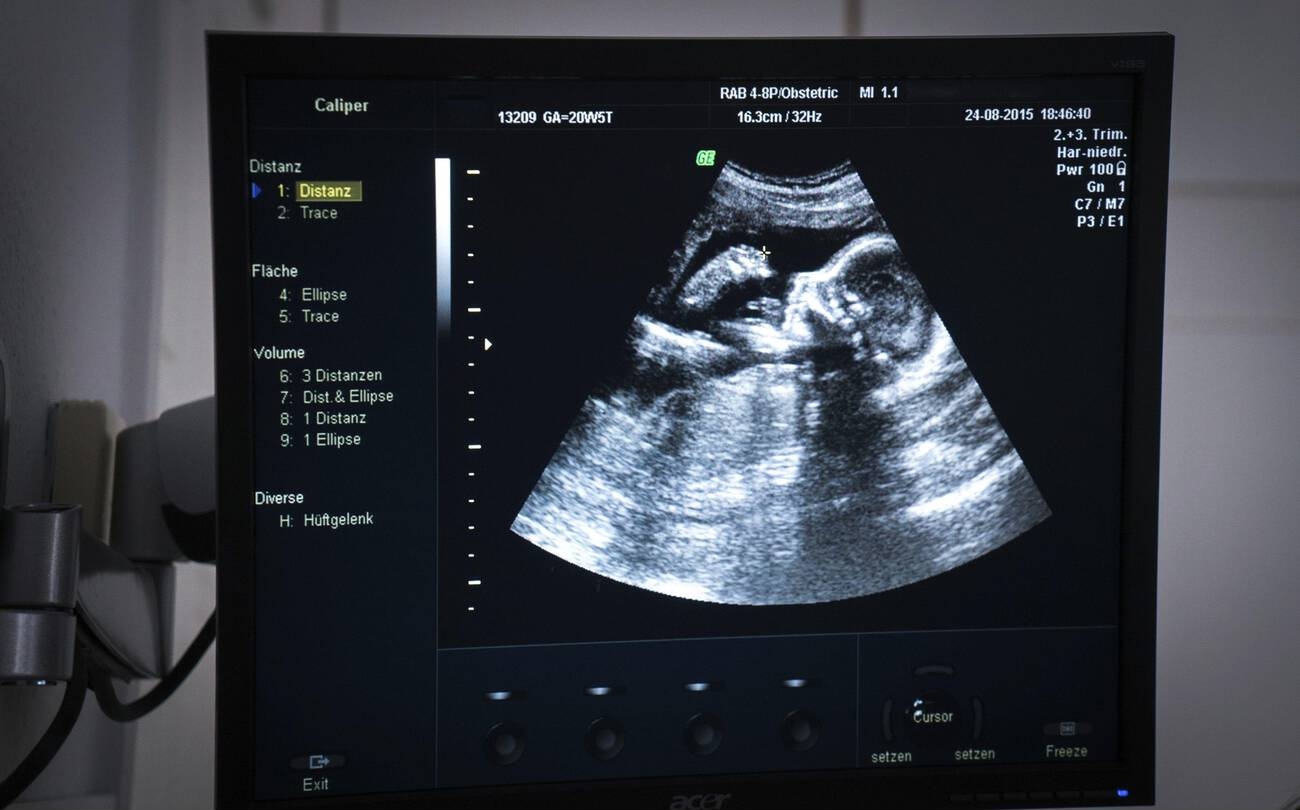
When the follicles reach the right size, a final "trigger" injection matures the eggs, and egg retrieval is scheduled about 34 to 36 hours later. Retrieval is a short procedure done under sedation: using ultrasound guidance, a fine needle collects the fluid — and the eggs — from each follicle. It takes 15 to 20 minutes, and most women rest for an hour or two before going home the same day.
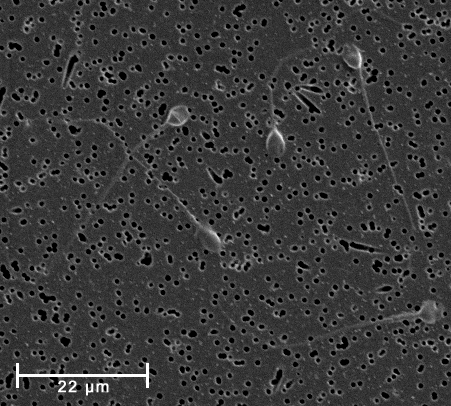
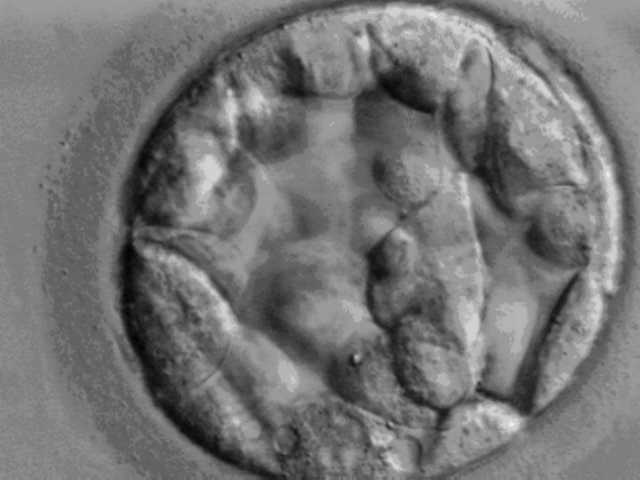
In the laboratory, the eggs meet the sperm. In conventional IVF they are placed together in a dish; in ICSI, a single sperm is injected directly into each mature egg — often chosen for male-factor infertility. The fertilised eggs are then cultured for three to five days. Many clinics, ours included, grow embryos to the blastocyst stage (day five), which helps select the strongest embryo for transfer.
Embryo transfer is quick and usually painless, needing no anaesthesia: a thin catheter places one embryo (sometimes two, depending on your situation) into the uterus. Any remaining good-quality embryos can be frozen by vitrification for future use, so a single egg collection may offer more than one chance at pregnancy.
Then comes the two-week wait — the roughly 10 to 14 days before a beta-hCG blood test can reliably detect pregnancy. It is, for many, the hardest part. A positive beta-hCG is the first encouraging sign, followed a couple of weeks later by an ultrasound to confirm a clinical pregnancy.
Not every cycle succeeds on the first attempt, and that does not mean it never will. Each cycle also teaches your medical team how your body responds, allowing the next plan to be refined. Throughout, the most important thing is that you understand each step and feel supported making decisions about your own care.
“Lorem ipsum dolor sit amet, consectetur adipiscing elit — every journey deserves expert, compassionate care.”
— Dr. Meera Joshi
Sed ut perspiciatis unde omnis iste natus error sit voluptatem accusantium doloremque laudantium, totam rem aperiam, eaque ipsa quae ab illo inventore veritatis et quasi architecto beatae vitae dicta sunt explicabo.